Invasion!
The Concept
I take pride in my gardening skills, and two summers ago I let some invasive plants that found their way into our garden grow. I wanted to observe their growth stages, collect them, and print them. As I watched them grow and worked with these invasive plants, I pondered these questions:
When does an outsider become invasive?
Am I invasive, or just growing?
How can I grow without becoming harmful?
In this series, I am inviting you to examine this topic and question your relationship to it and to the land.
What is a photograph?
Photography is my obsession, but photographs are more than just my experience and expectations. They are a way of recording and communicating visually. I work a lot with plants, and as long as light passes through them, I can photographically print them.
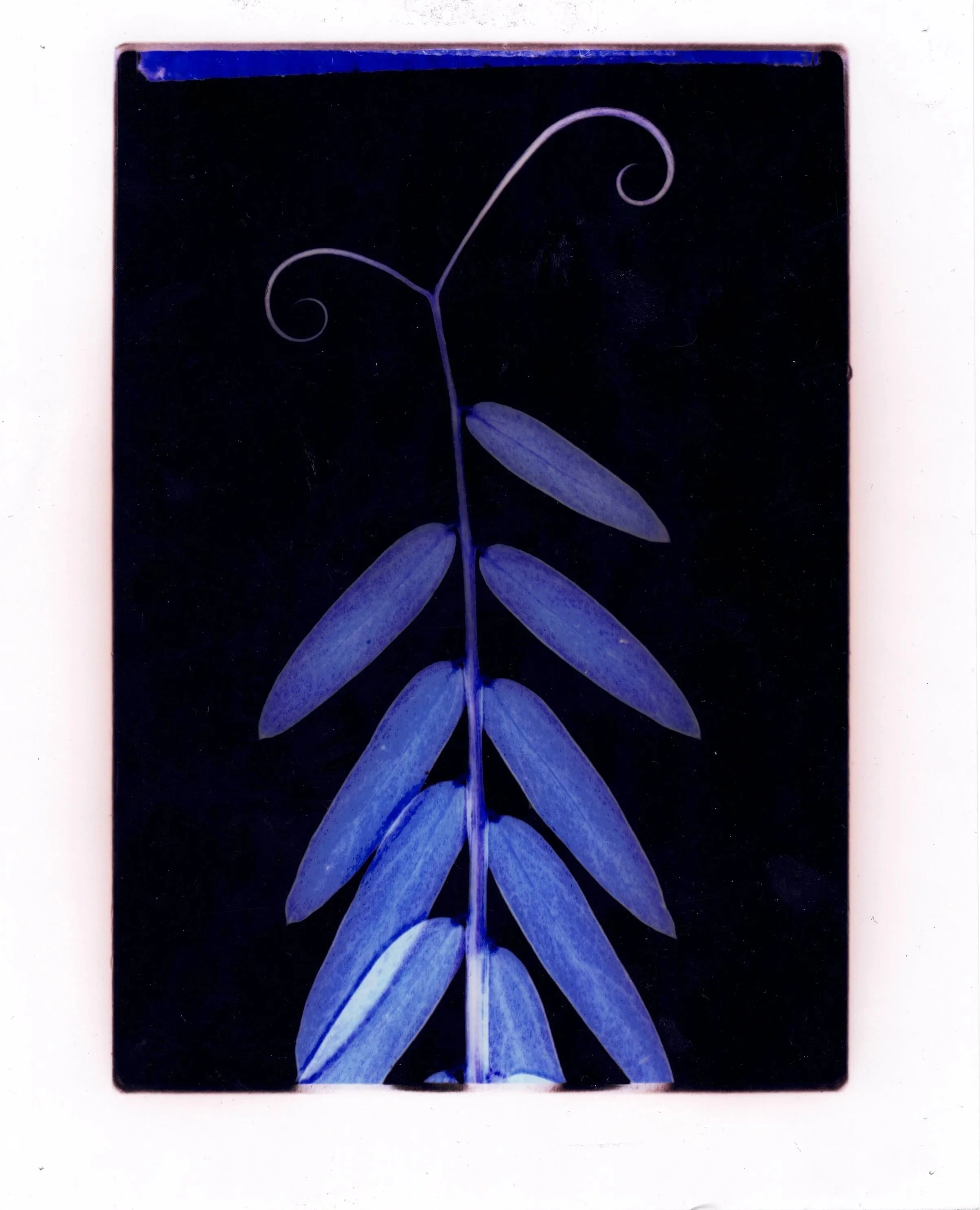
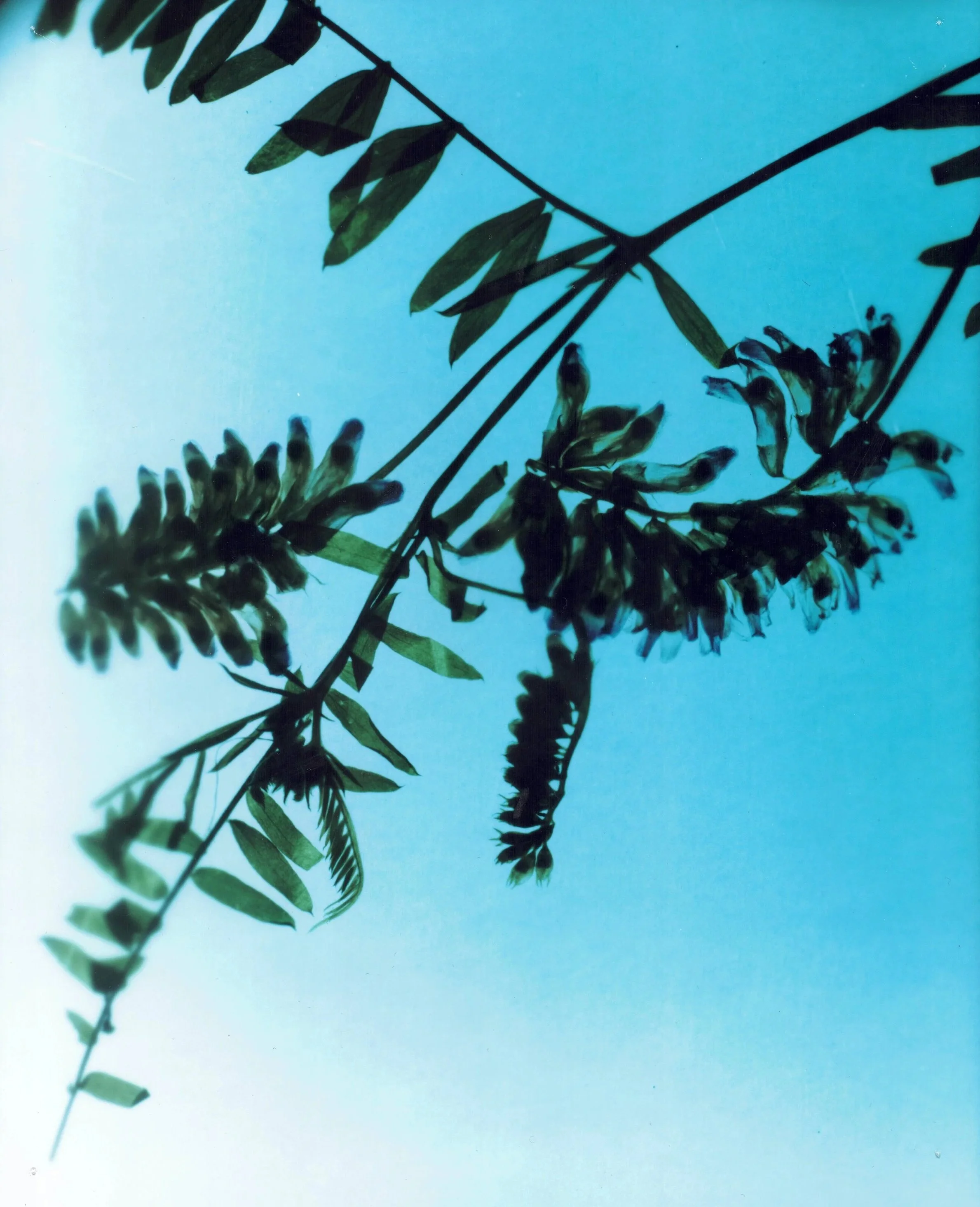
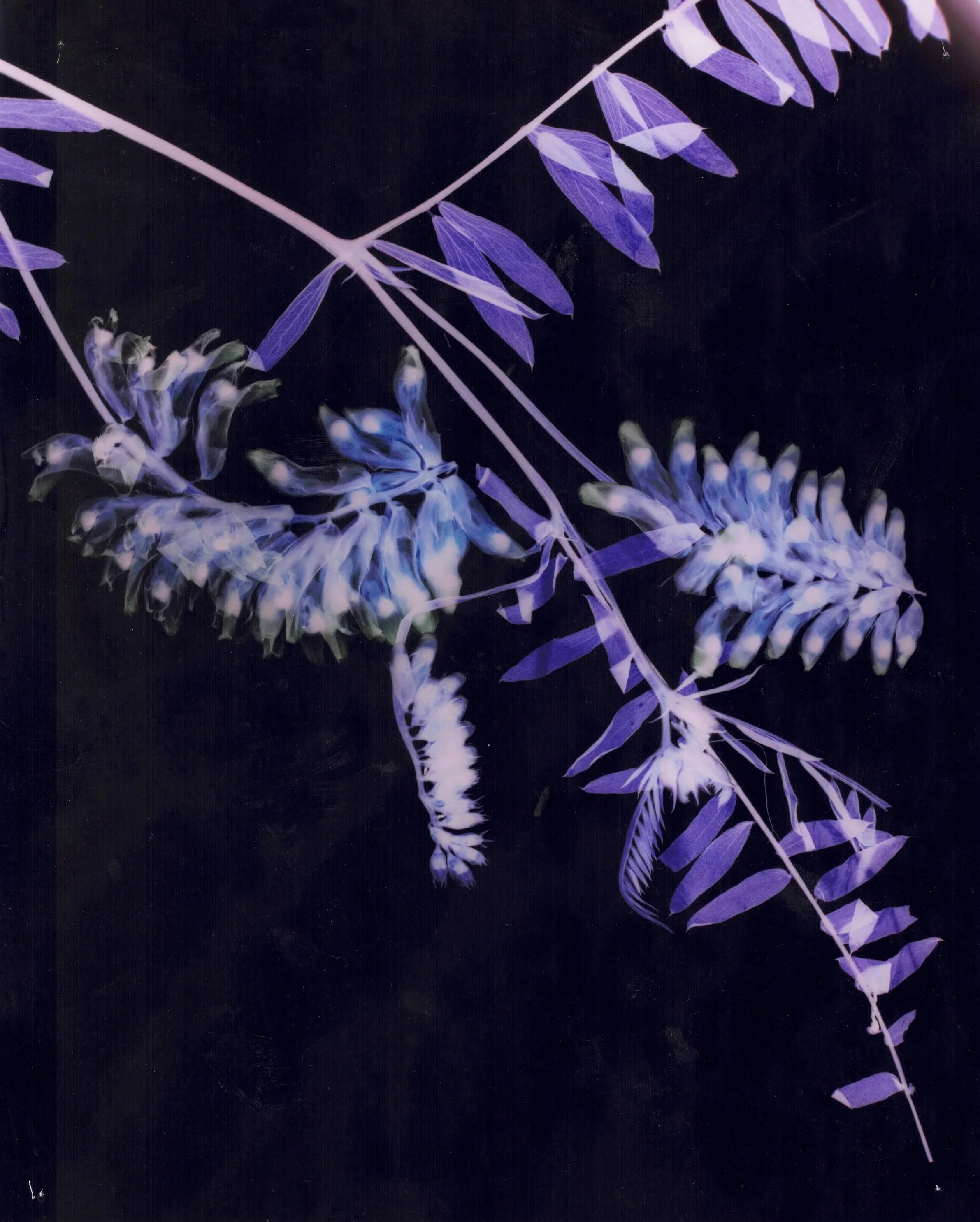
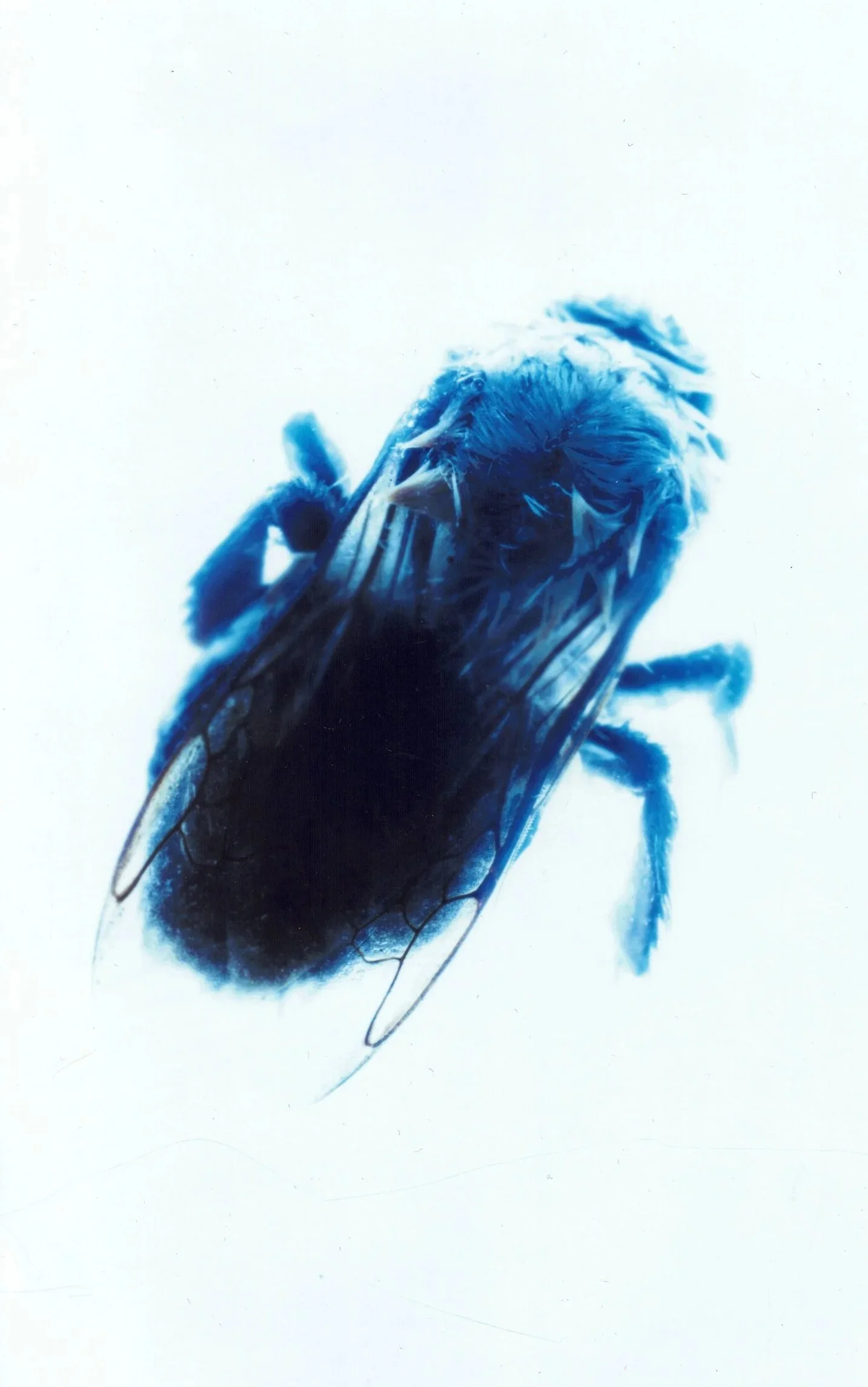
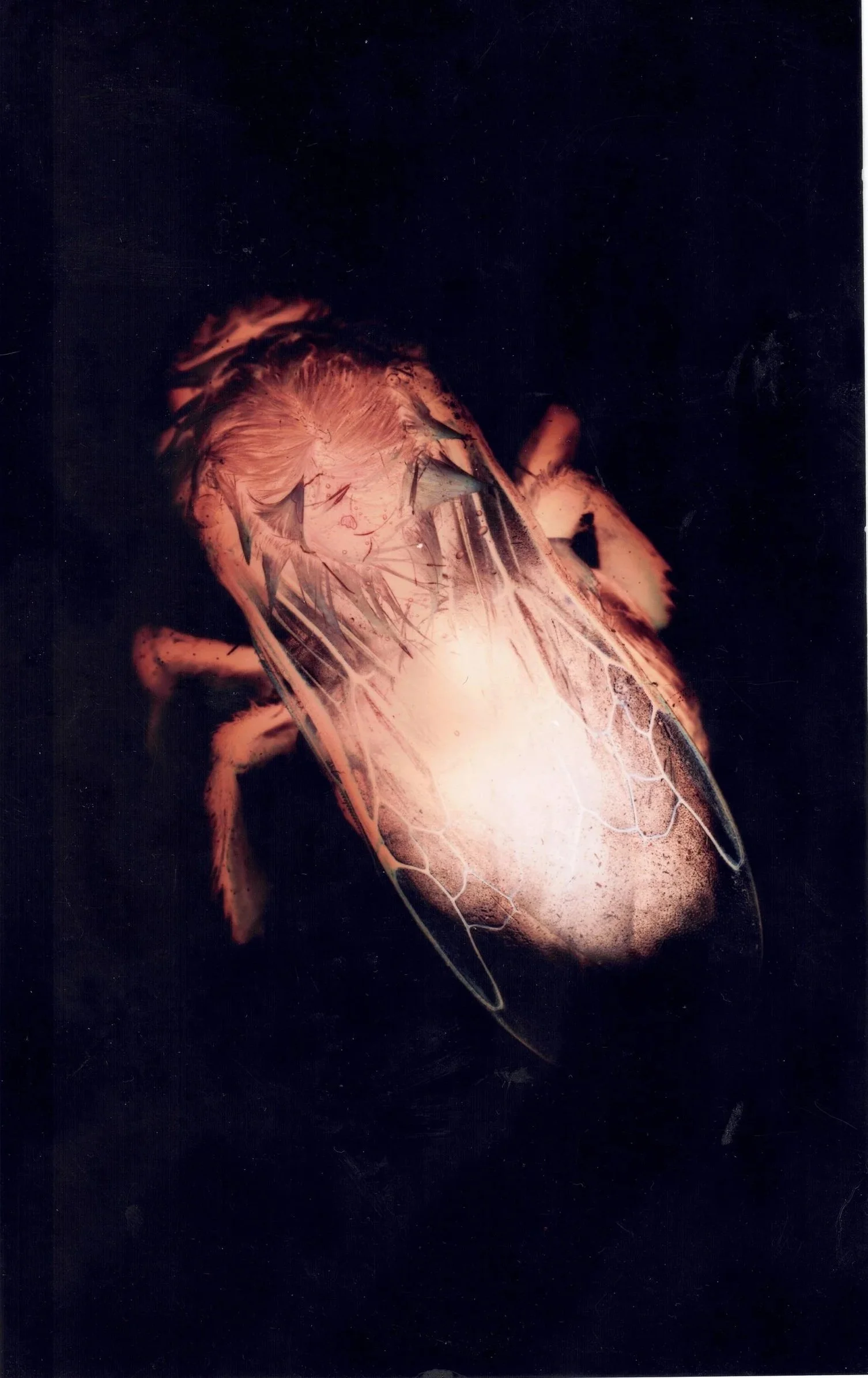
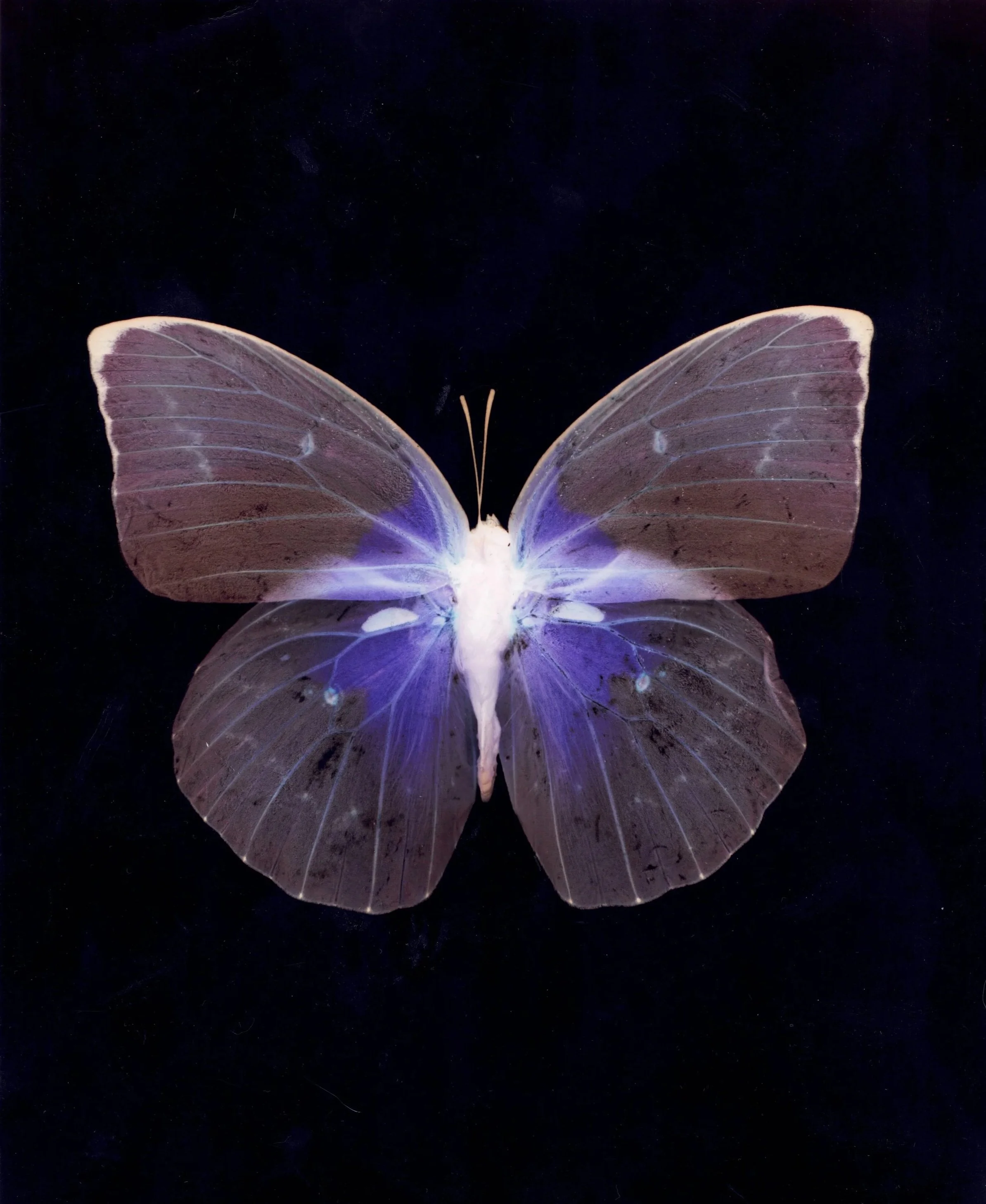
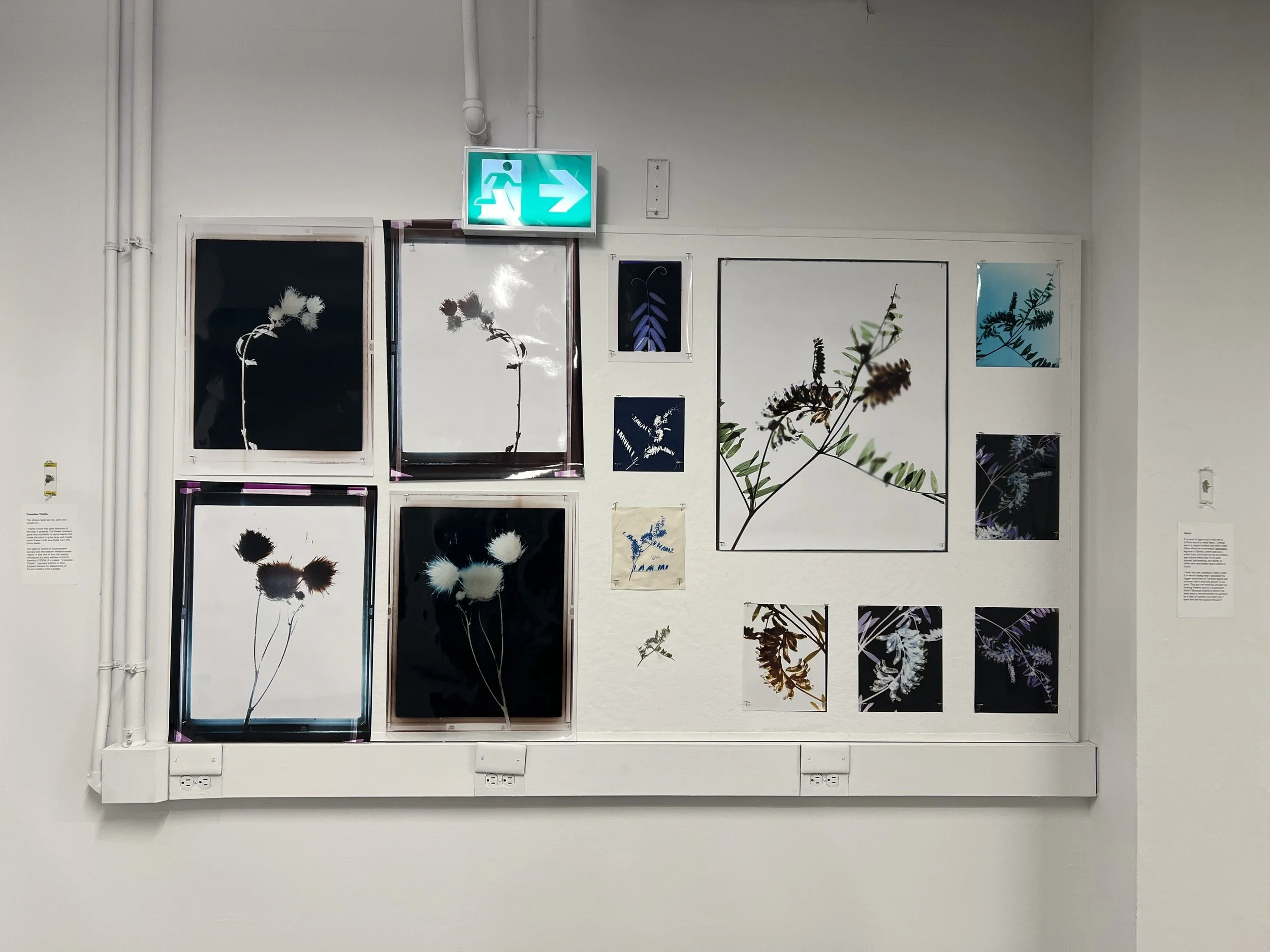
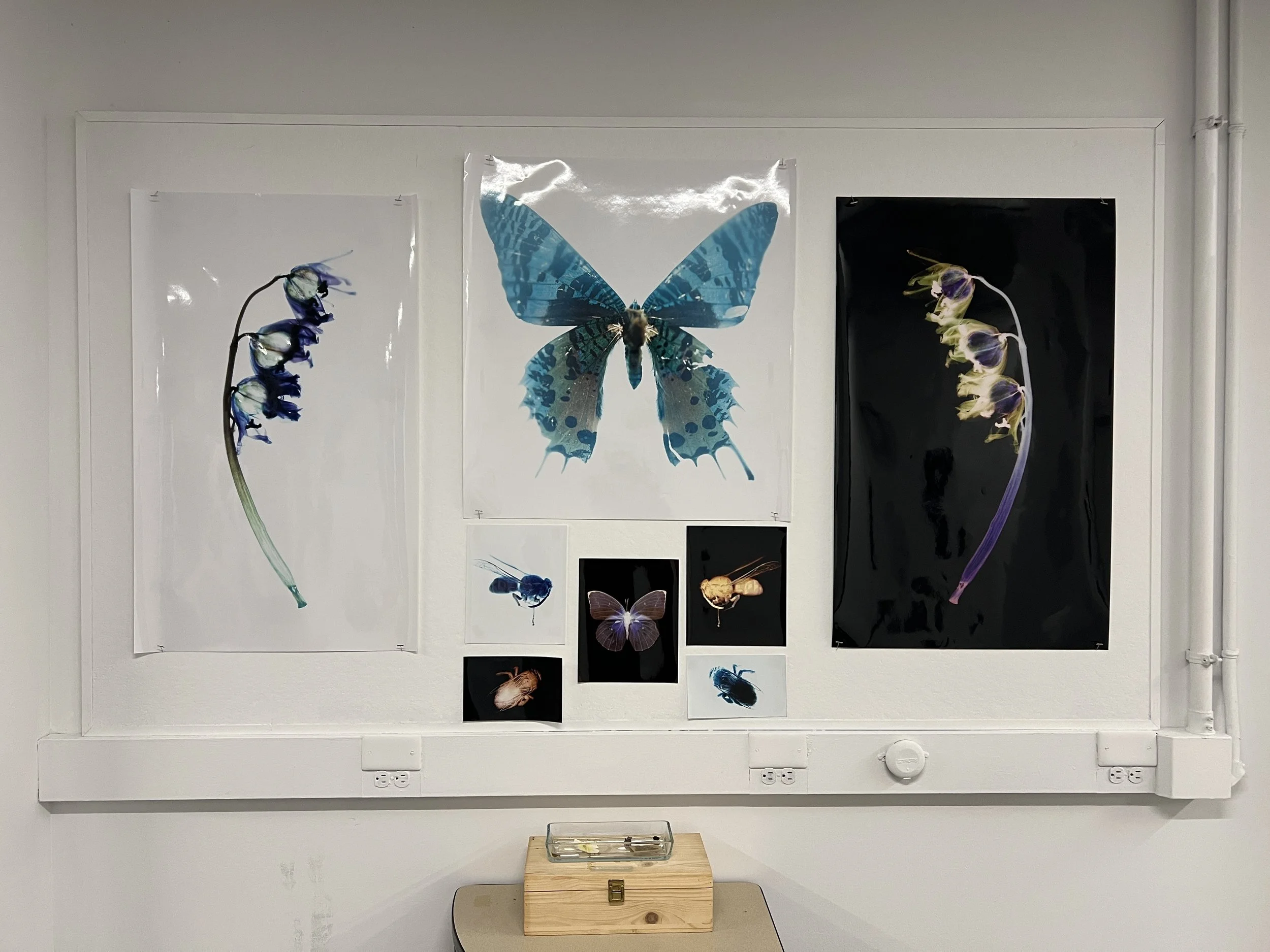
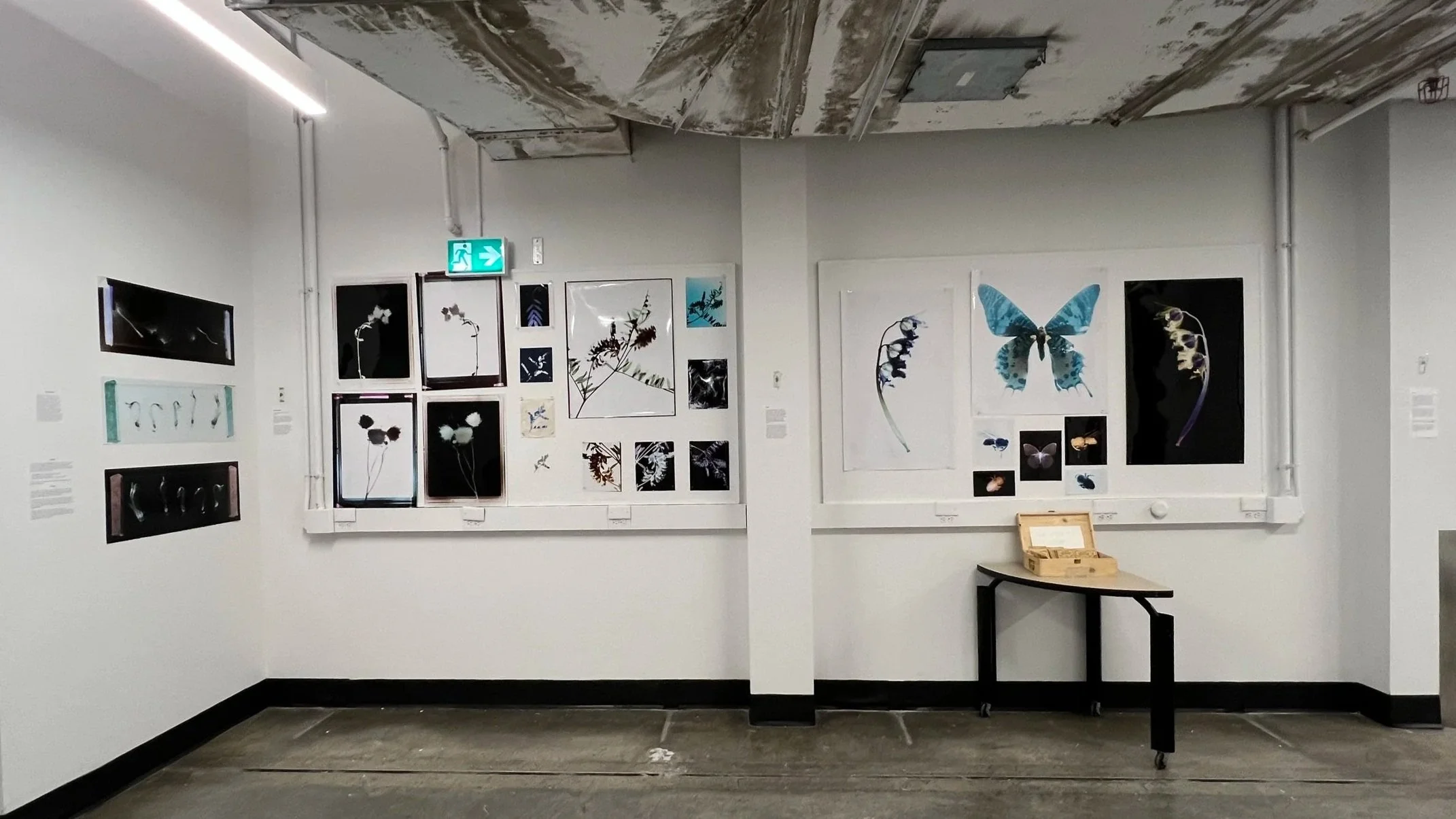
For this series, I chose three non-native plants associated with invasion and naturalization: Canada thistle, vetch, and scilla. I used an enlarger-based cameraless process to produce enlarged photographic images of these plant specimens. At this enlarged scale, photography becomes a way of seeing things the human eye cannot see.
Negative
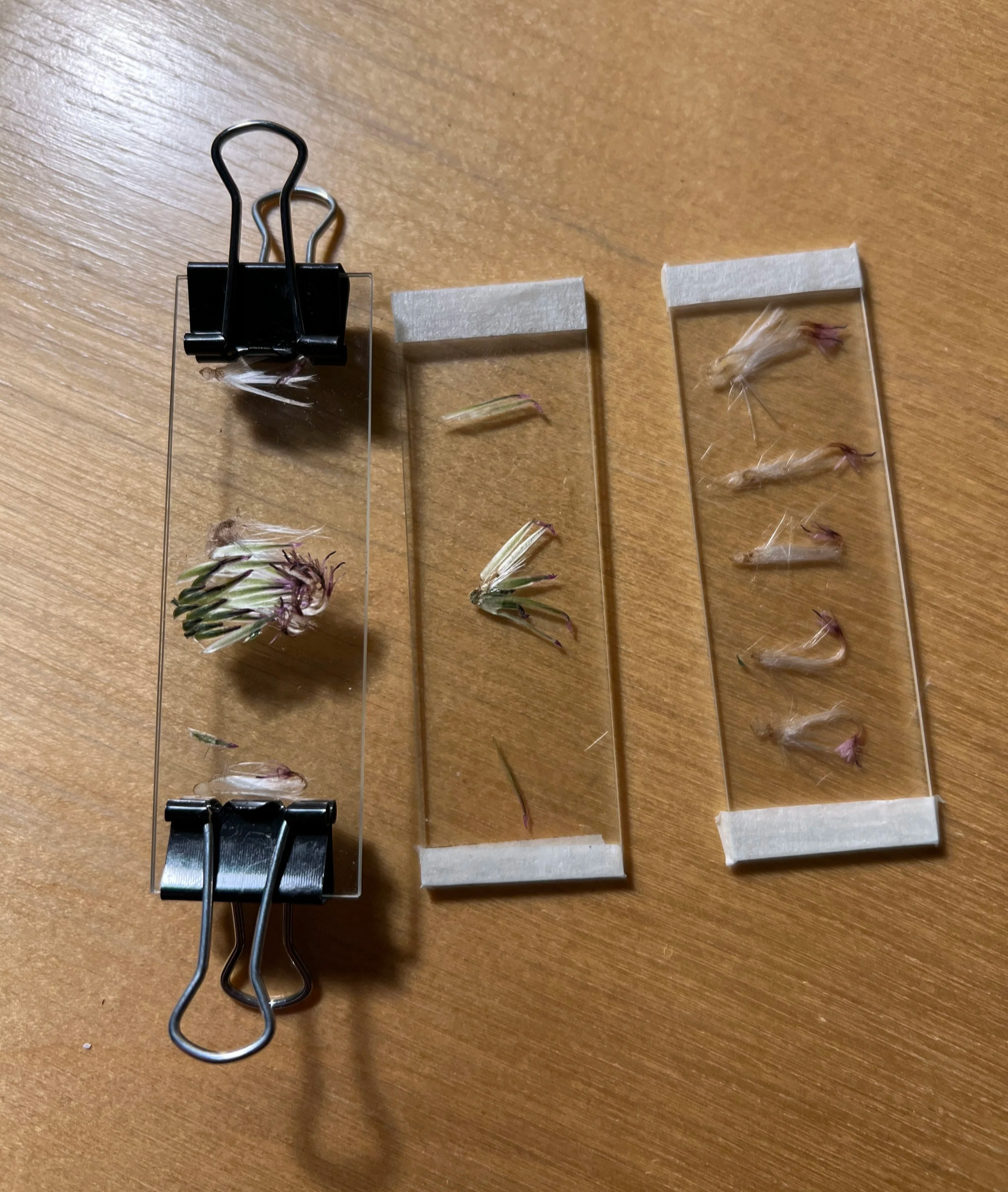
A photographic negative contains the information needed to produce another image. The most familiar example is film, but negatives have taken many forms throughout the history of photography.
What matters is how the negative controls light. Transparent and translucent materials allow light to pass through more easily, while denser areas block or reduce it. Those differences eventually become tone, colour, and detail in the print.
Light sensitivity
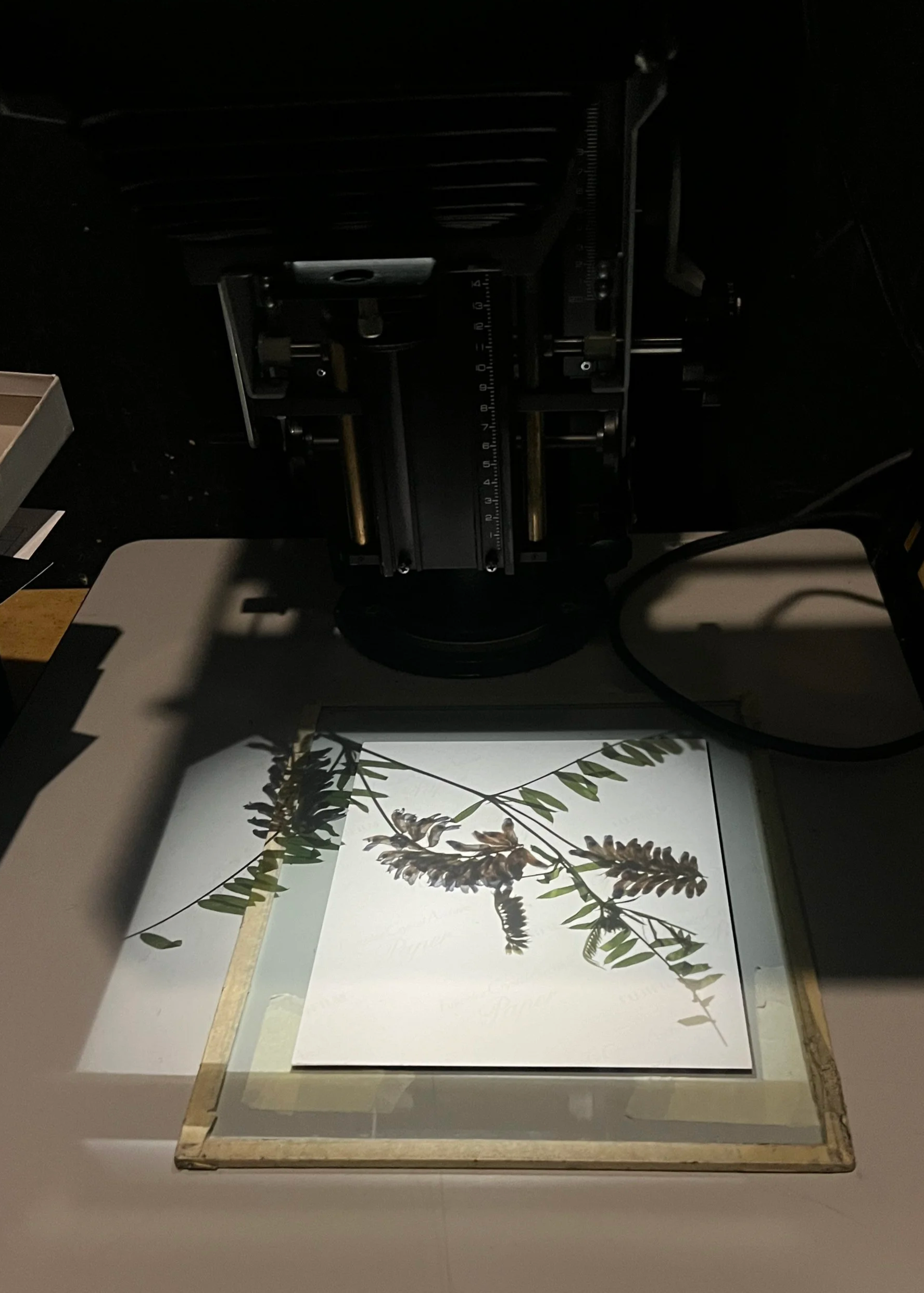
Light-sensitive materials have taken many forms throughout photographic history, from heliography, salt prints, and daguerreotypes to modern film and photographic paper.
In negative-positive photography, one light-sensitive material can record an image that is then used to expose another. For this project, I worked with colour photographic paper to record light, colour, and the structure of the plants.
Exposure
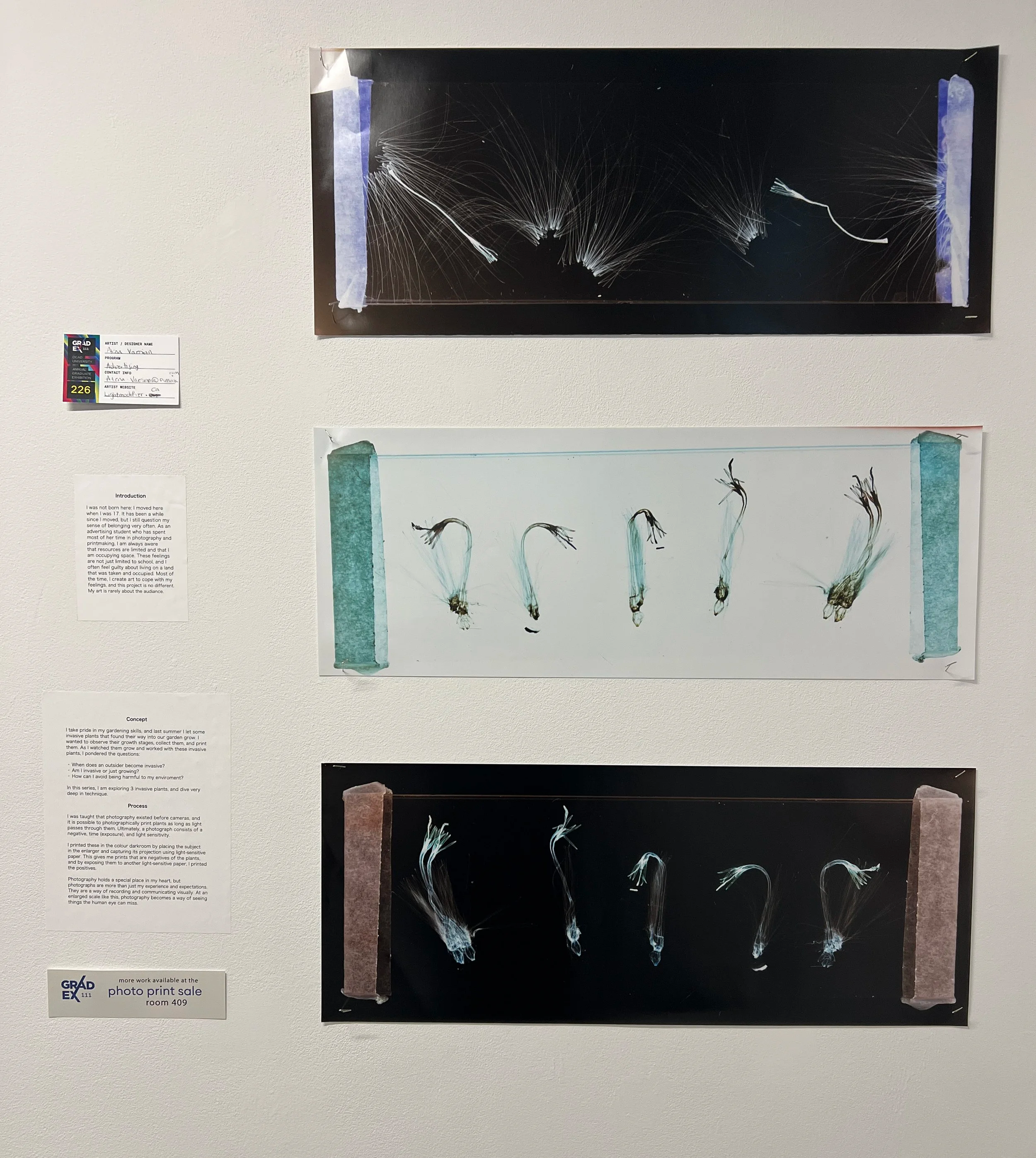
Exposure is the amount of light a light-sensitive material receives. Time is one of the main ways I control it, and time translates into tone. Exposure also affects how much detail is recorded: too much can cause areas to burn, while too little may fail to record enough information.
I think of exposure a little like controlling K in CMYK printing: it is one of the ways I think about how much darkness is being introduced into an image.
Negative vs positive
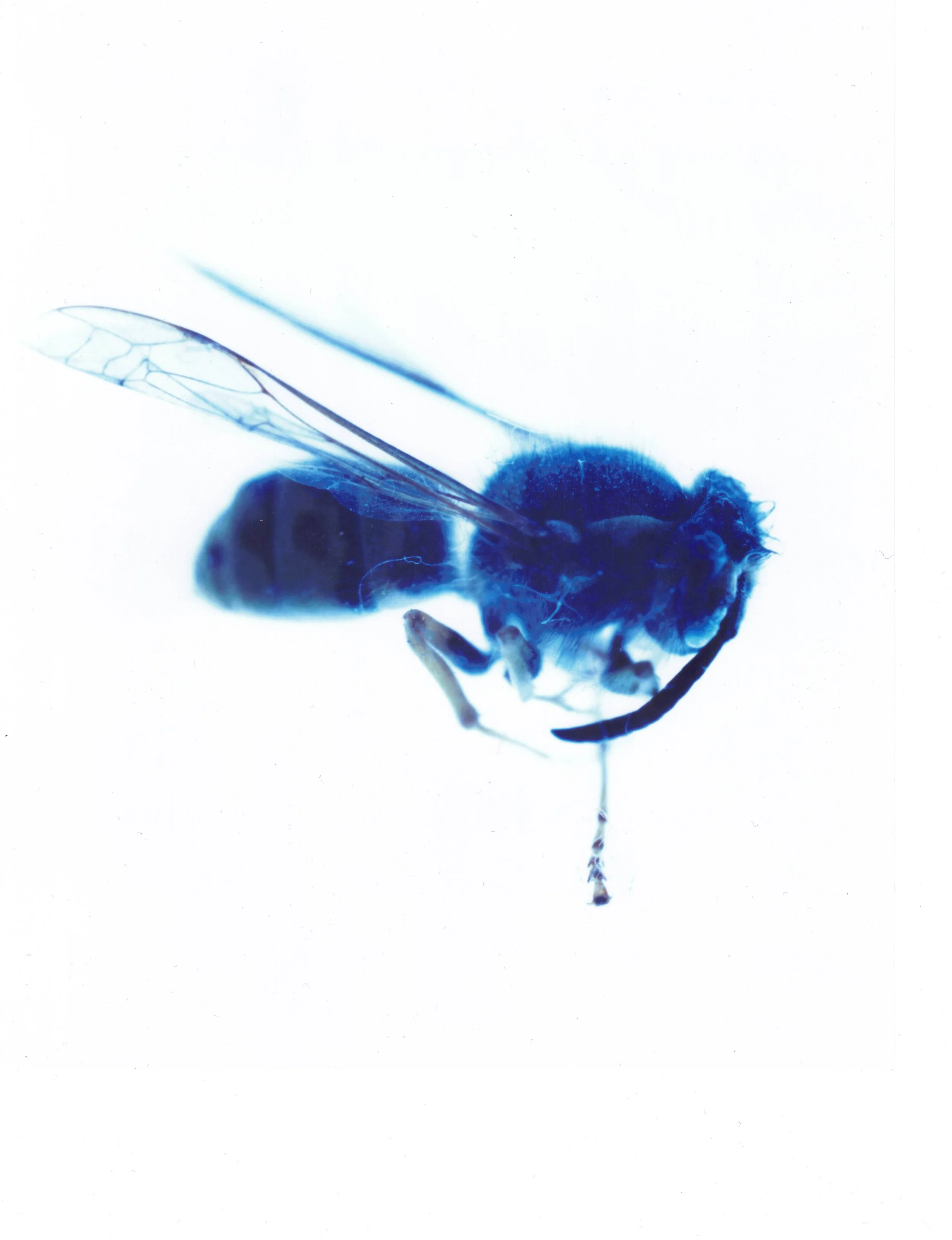
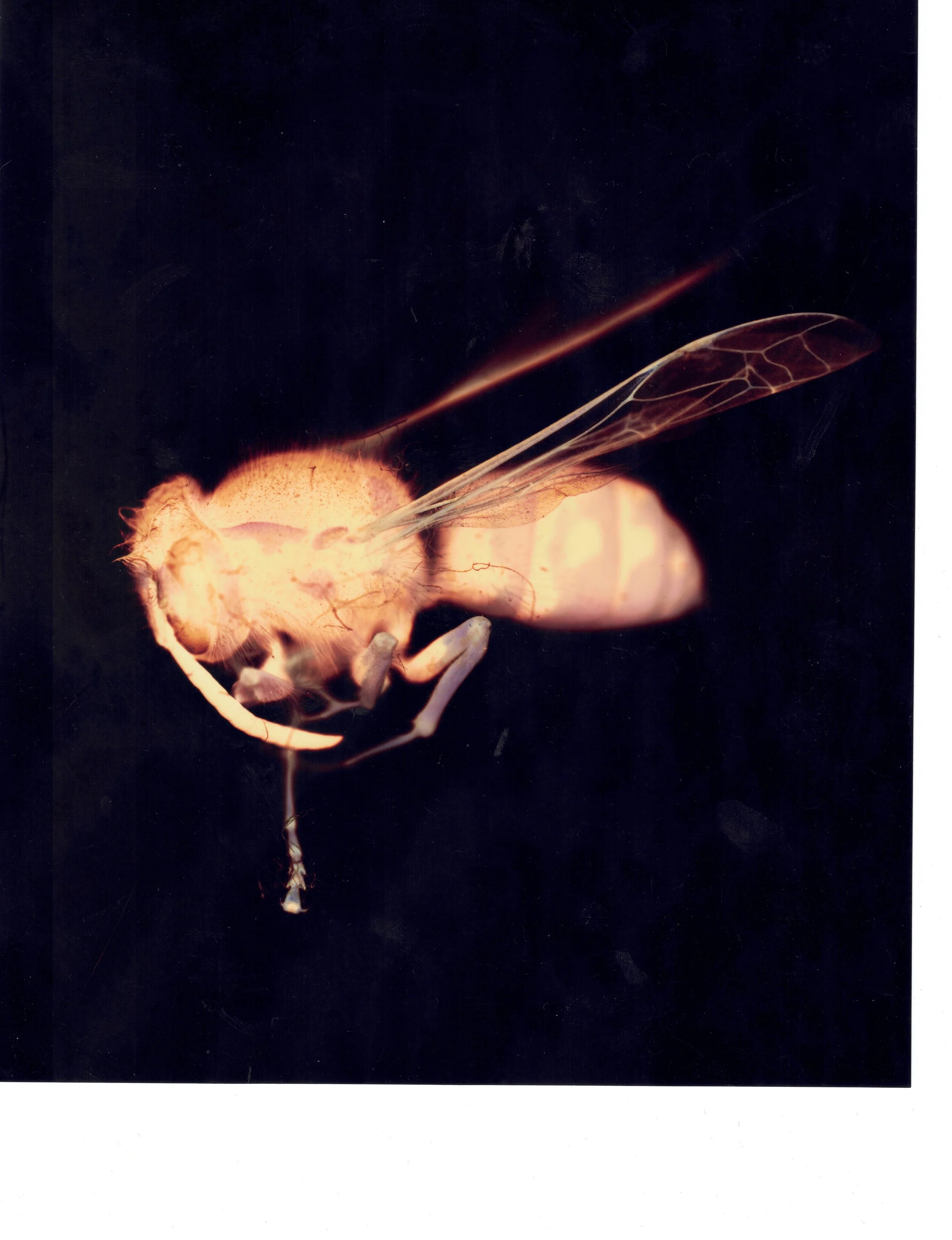
The series moves between negative and positive images. A negative reverses tonal and colour relationships, while a positive brings those relationships back toward the appearance of the original subject.
Working back and forth between the two made me think about these terms beyond photography. Positive and negative sound absolute, but their meaning depends on what they are being compared to.
That brought me back to the questions at the centre of Invasion!:
What makes something native, naturalized, or invasive?
Who gets to decide?
If positive and negative depend on our perspective, what happens when we apply those labels to people?
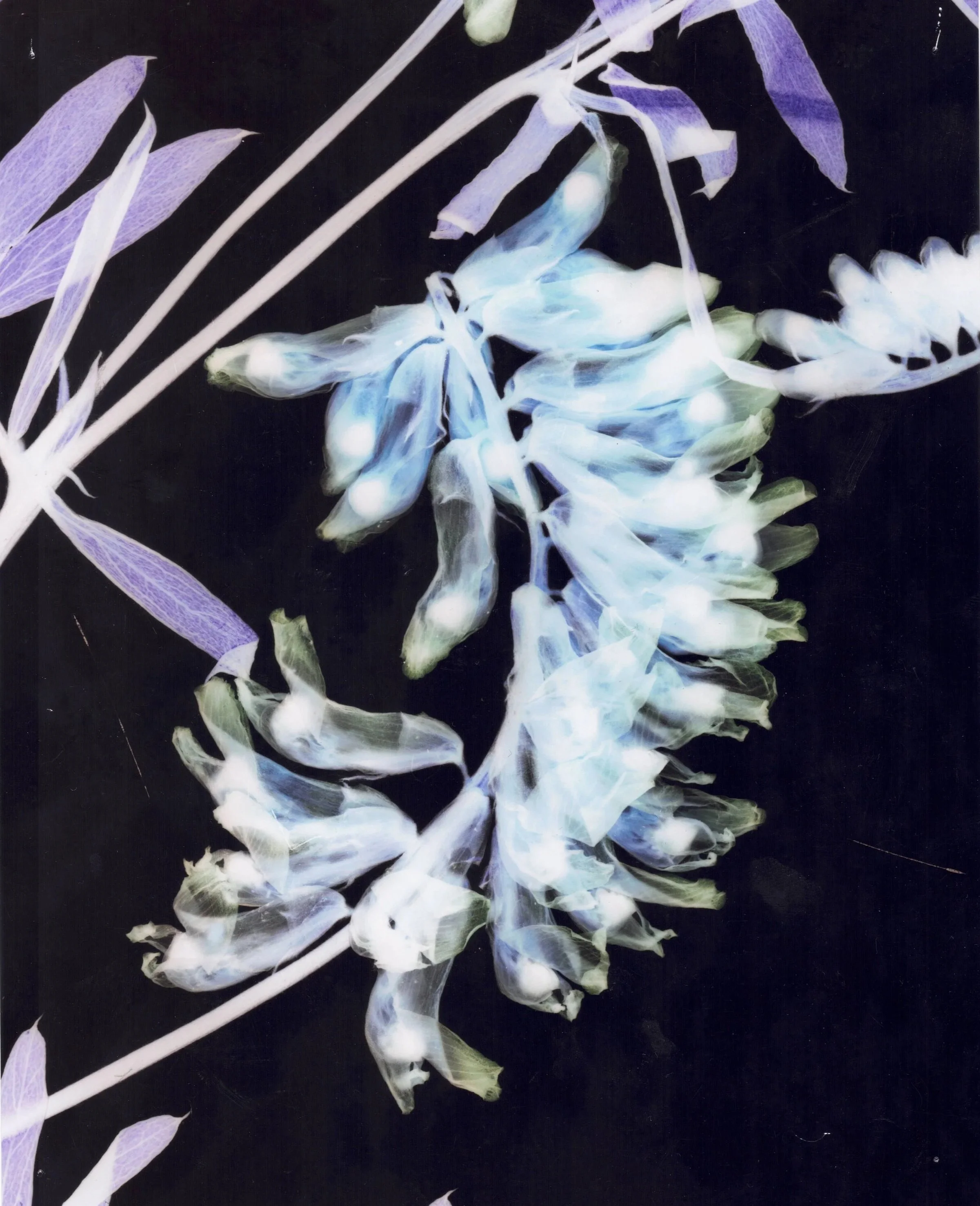
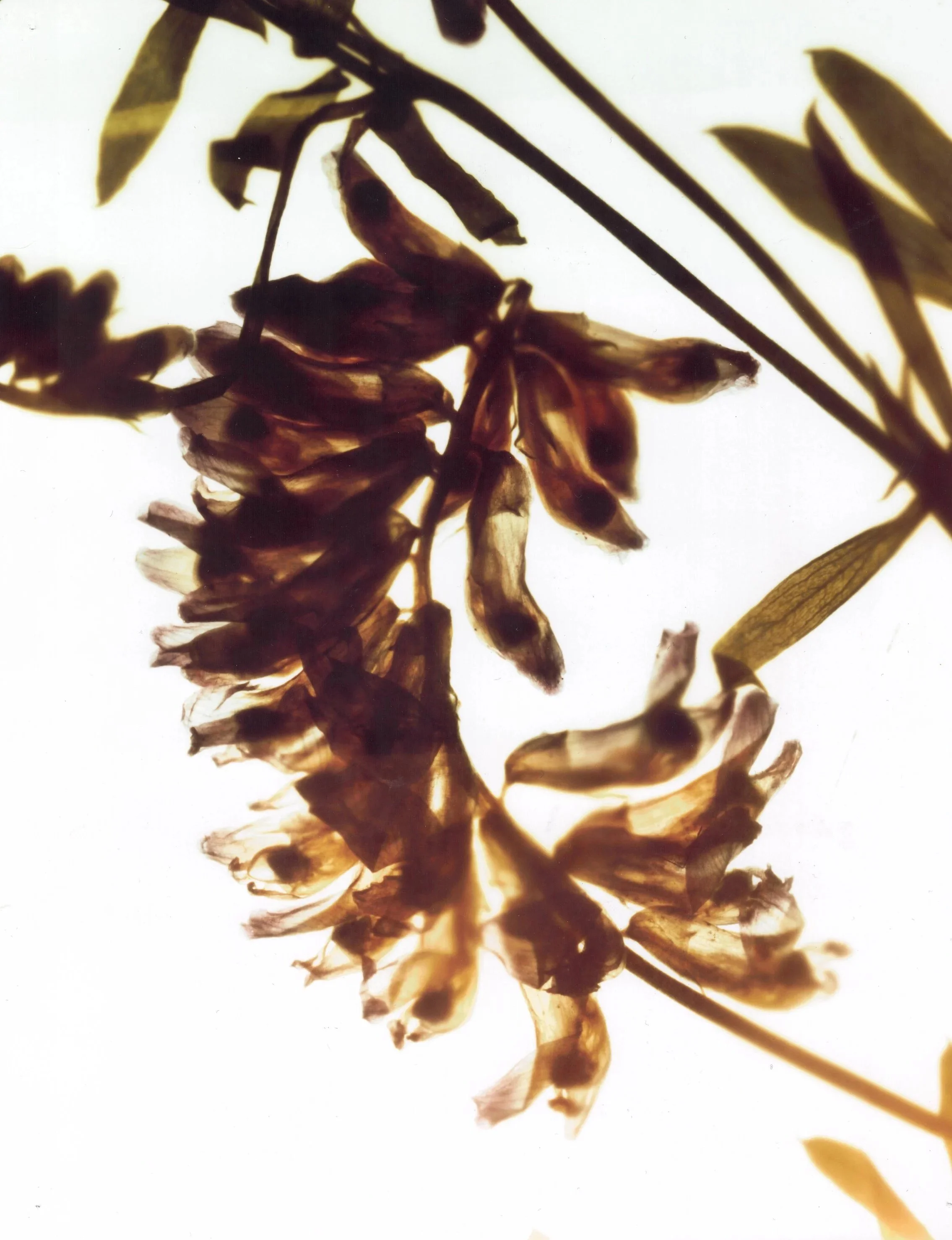
I’ve used a highly toxic process while talking about land. That is not a coincidence. Many photographic processes rely on hazardous materials, making proper handling and responsible waste disposal an important part of working with them. OCAD University is one of the last places with a colour darkroom, along with the equipment and support that made this project possible.
I also want to thank the technicians, teachers, and mentors who supported me throughout this project and many others before it. Thank you for teaching me not just technical skills, but also how not to get lost in the prints and the technique. I will remember you and what you taught me.
Conclusion: