It’s about the process.
In Search of Truetone is an ongoing investigation into photo based printmaking and translating light into ink: how can a photograph become a print without losing the details?
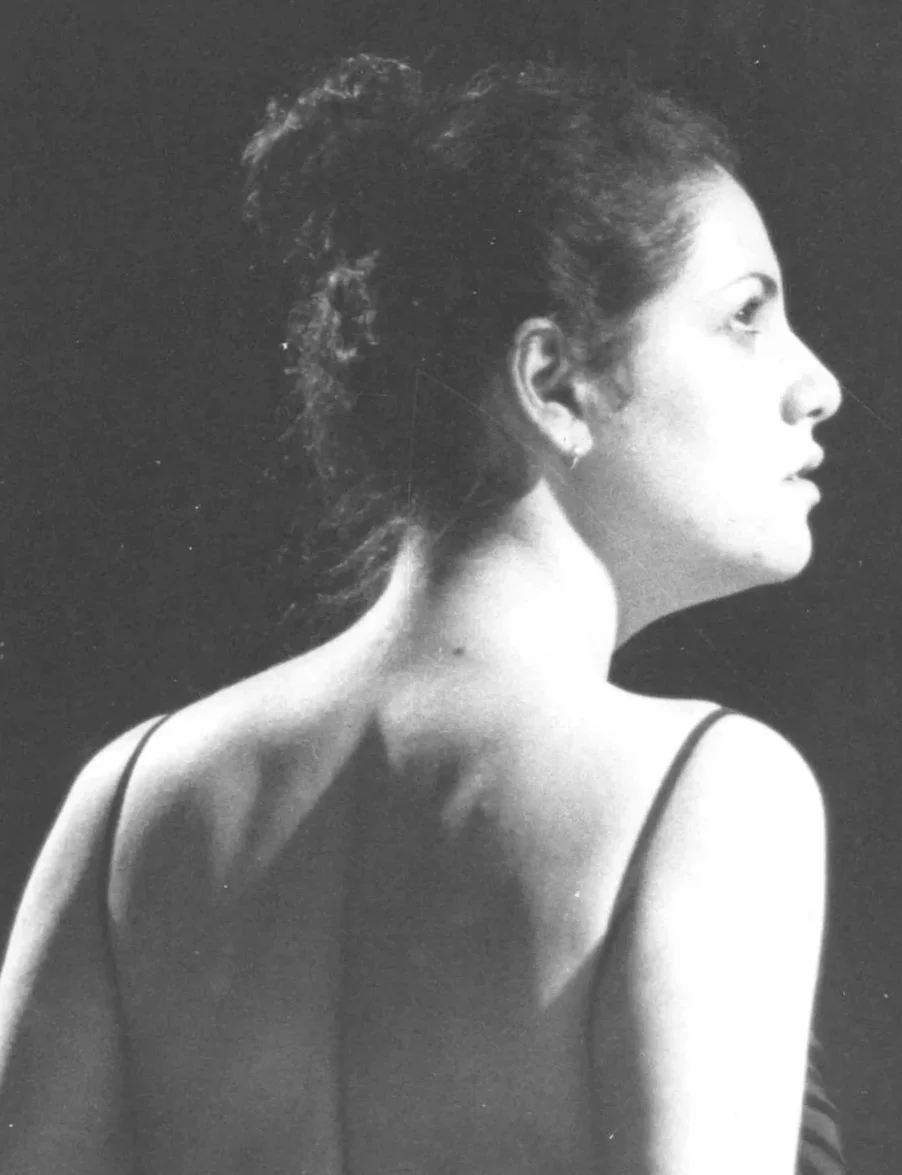
What Is a “Halftone”?
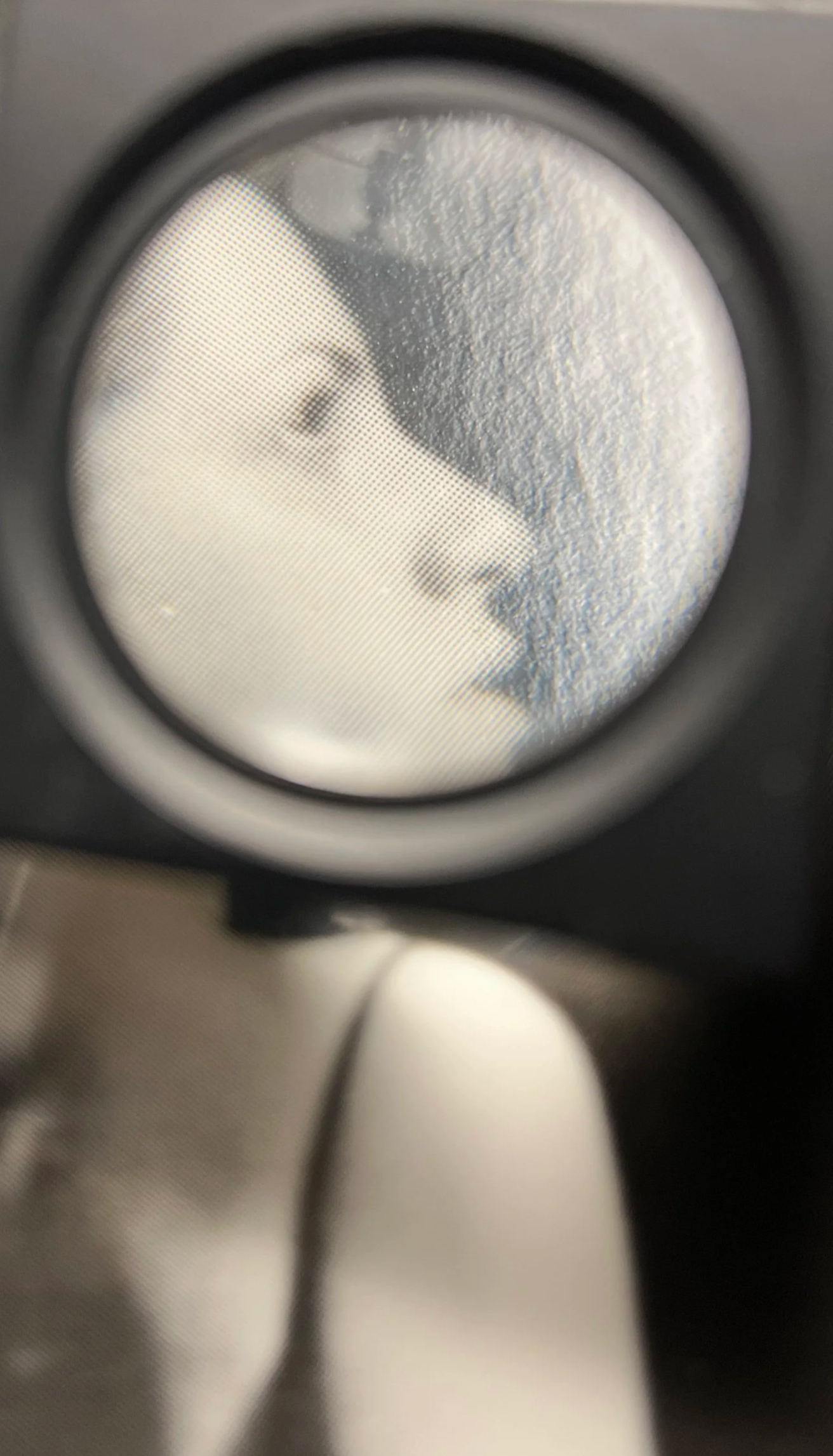
Tone is fundamental in photography. When it comes to printing photographs, you can divide the processes into photographic and photomechanical. Photographic processes involve light, exposure, and often darkrooms, while photomechanical processes involve ink, pressure (printing press), and reversals.
Light sensitivity in photographic processes occurs at a molecular scale, which results in continuous tone“true tone”. However, most photomechanical processes require a halftone. I decided to look for true tone in photomechanical processes, knowing it’s not really possible.
What is a halftone? In order to mimic continuous tone, the image is broken down into configurations of dots; large, closely spaced dots create darker tones, while smaller, more dispersed dots create lighter areas.
The overlooked matrix
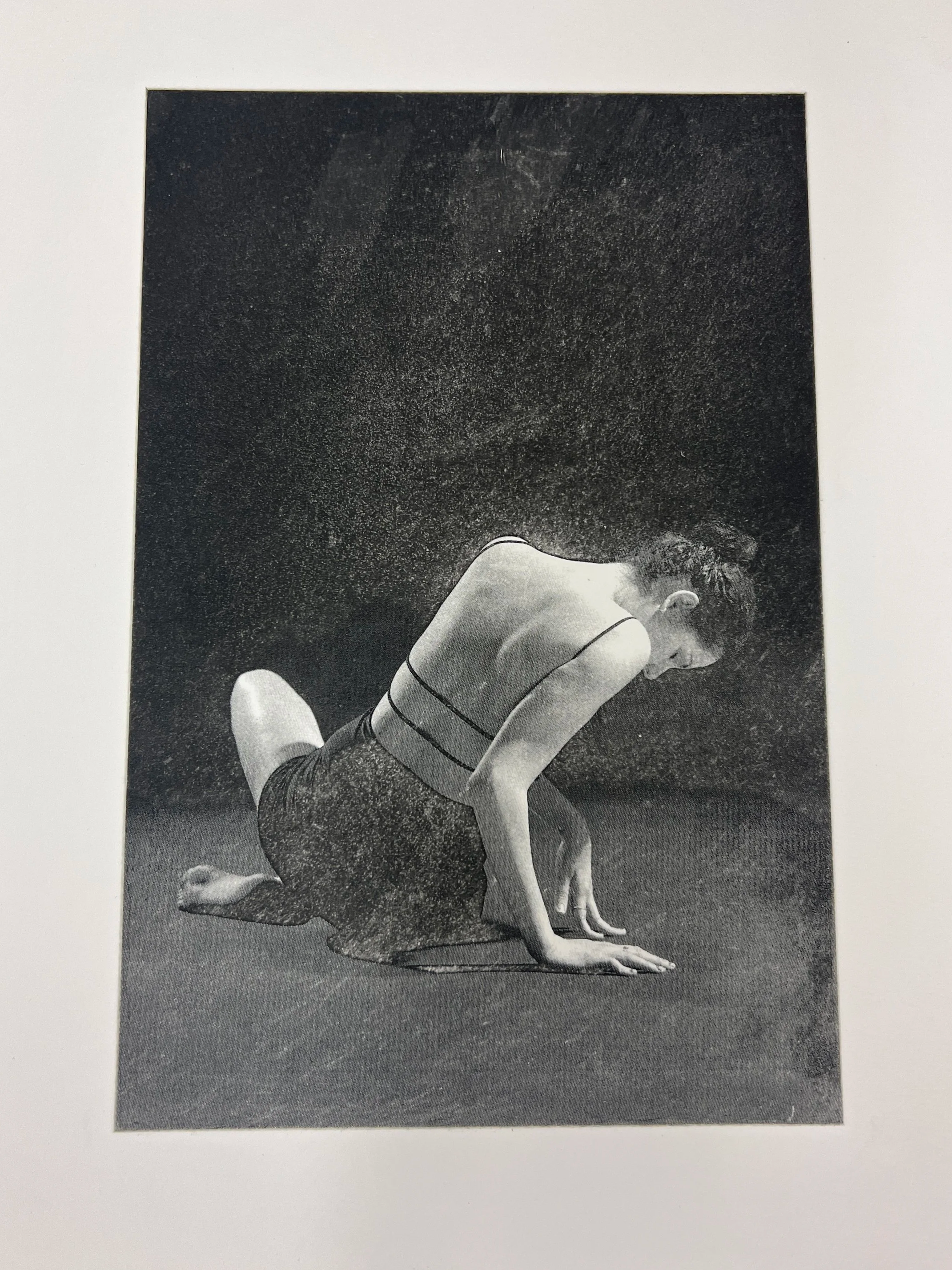
I began the project thinking in terms of negatives, plates, and prints. Along the way I realized I had overlooked the object connecting them all: the stencil.
Without a stencil there is no way to transfer a photographic image onto a printing plate. It isn't the matrix itself, but the intermediary that makes the matrix possible.
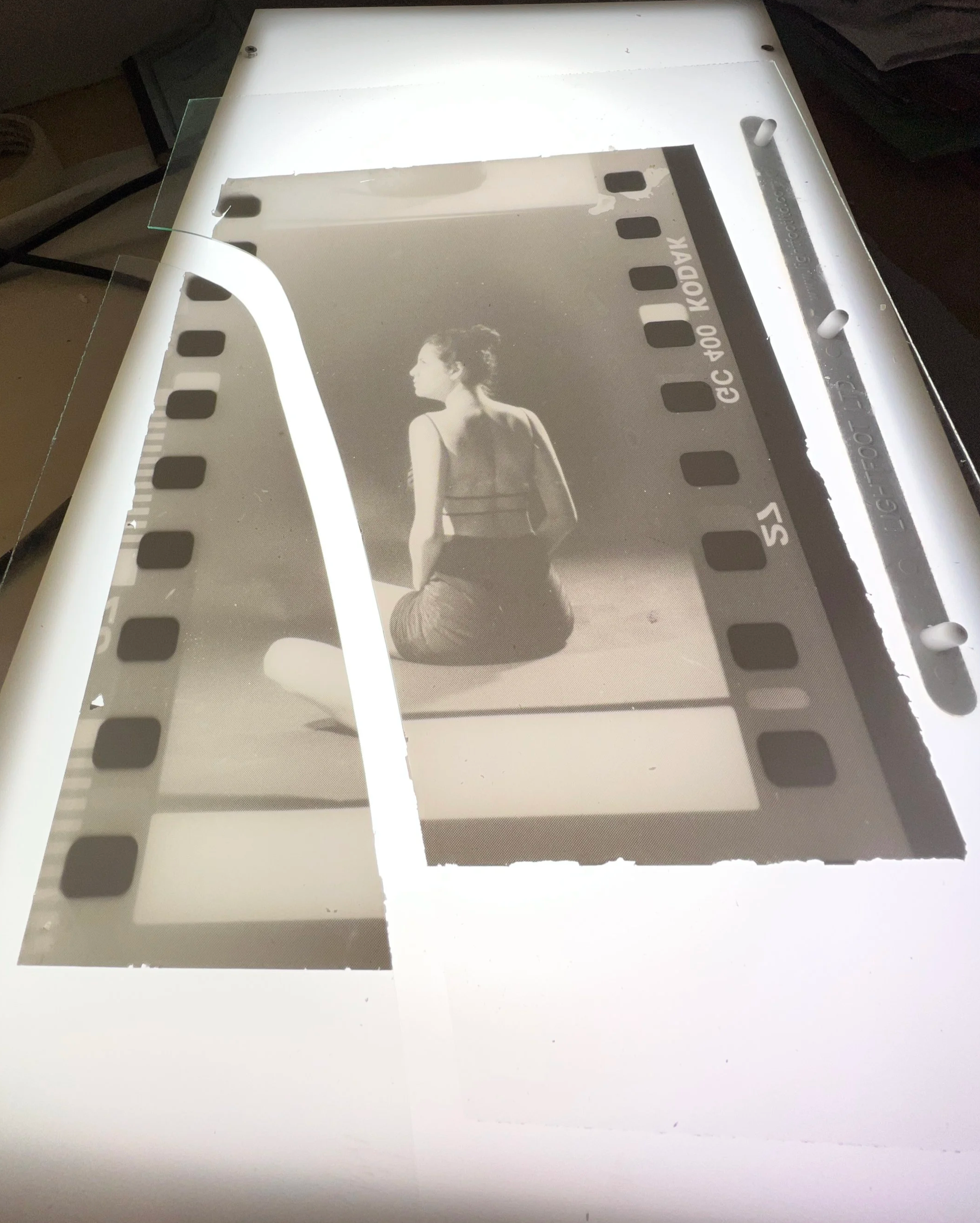
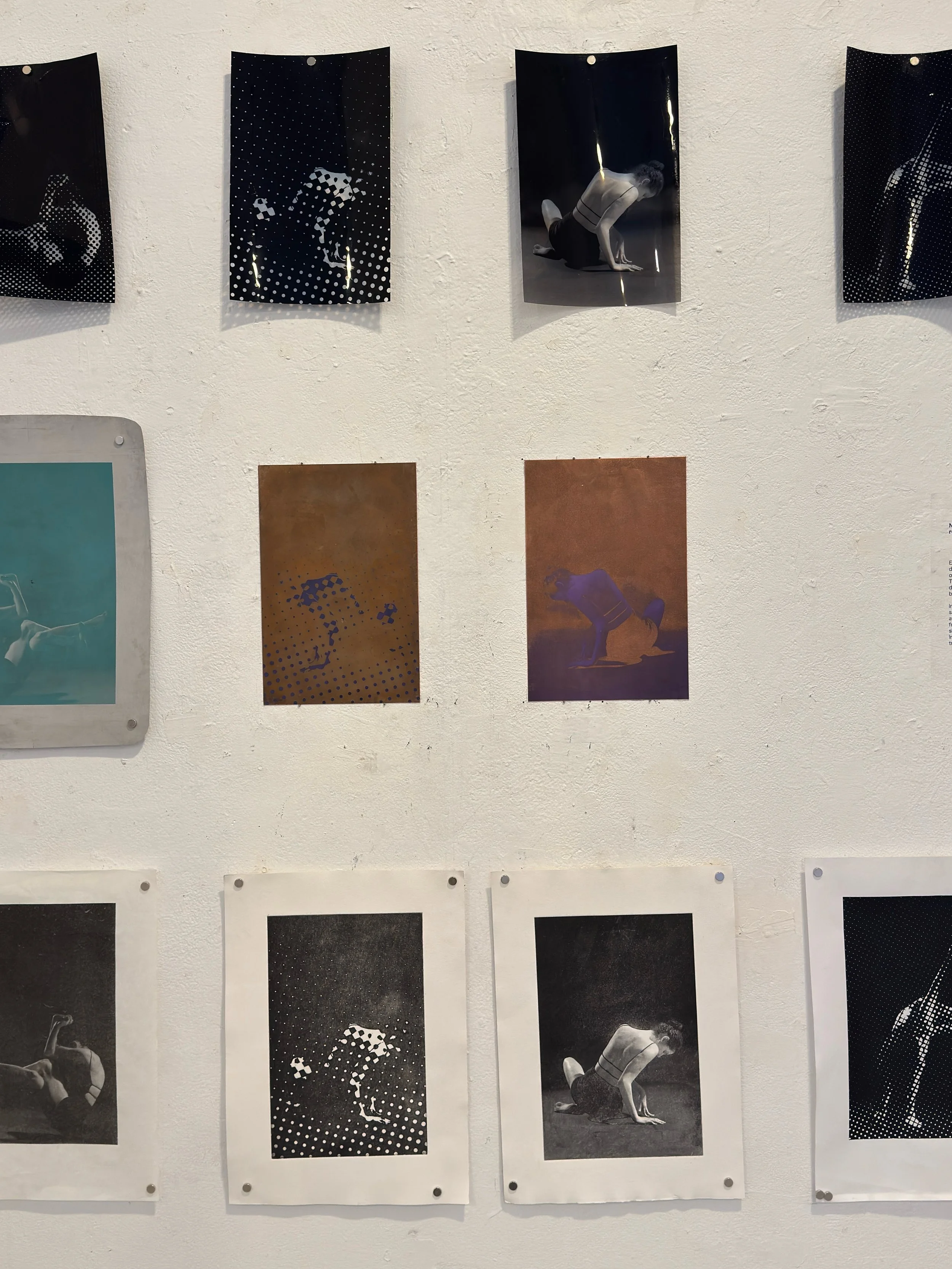
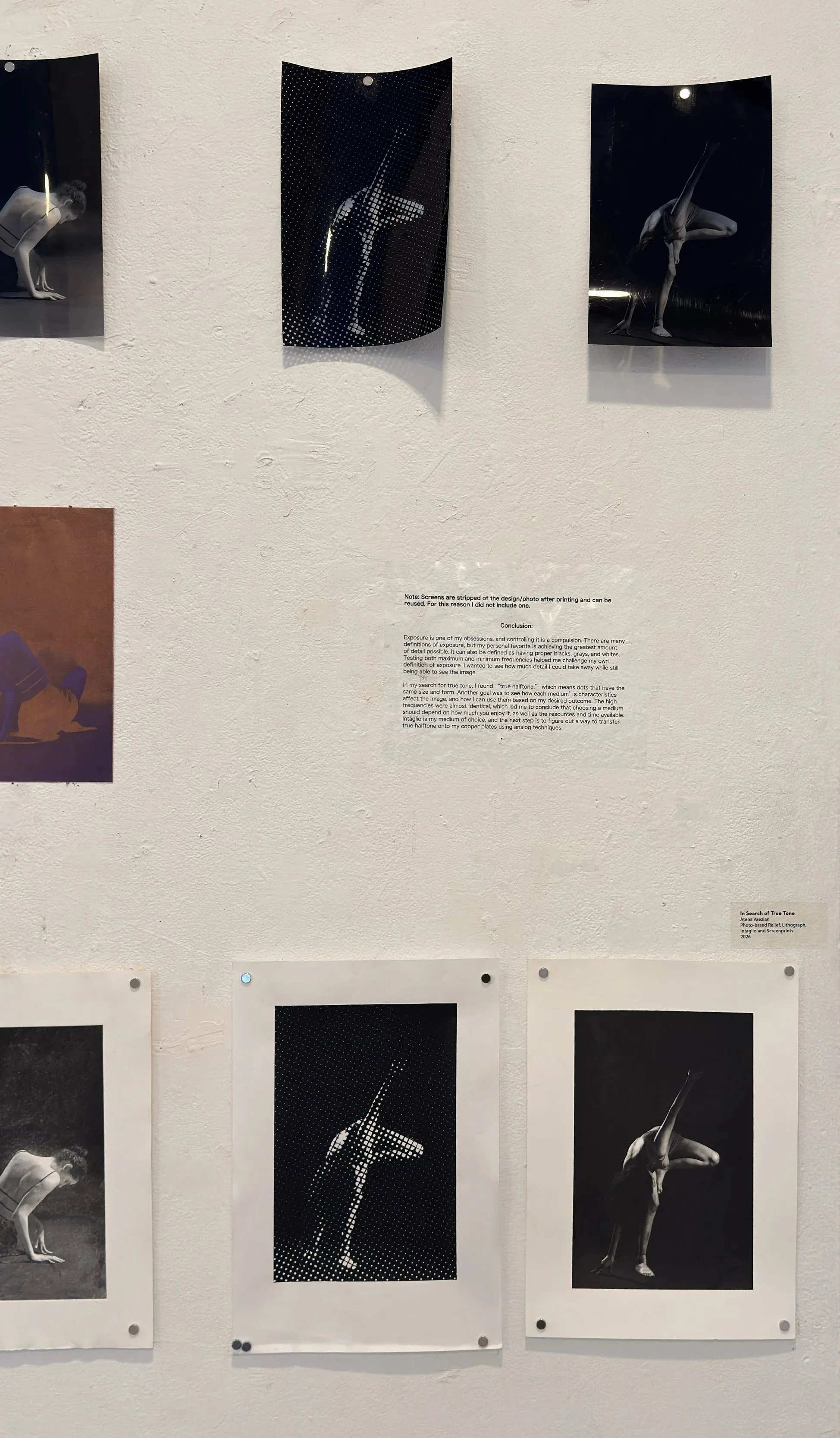
For this project I produced digital transparencies with a minimum and maximum frequency for each method, then experimented with making entirely analog halftone stencils in the darkroom using B&W photosensitive paper and halftone screens. This is where I learned about “true halftone”; when the dots are the same size and shape.
Historically, analog stencils were made by photographing a photograph through a halftone lens. It then evolved into copy cameras in which you put a photograph or art piece in one side and a photosensitive paper on the other side. Eventually this was replaced by halftone screens and ortho films.
It’s about experimenting and failing.
Experimentation rarely follows a straight path. Throughout the project I found myself questioning whether I was responding to genuine technical problems or simply trying to control every variable.
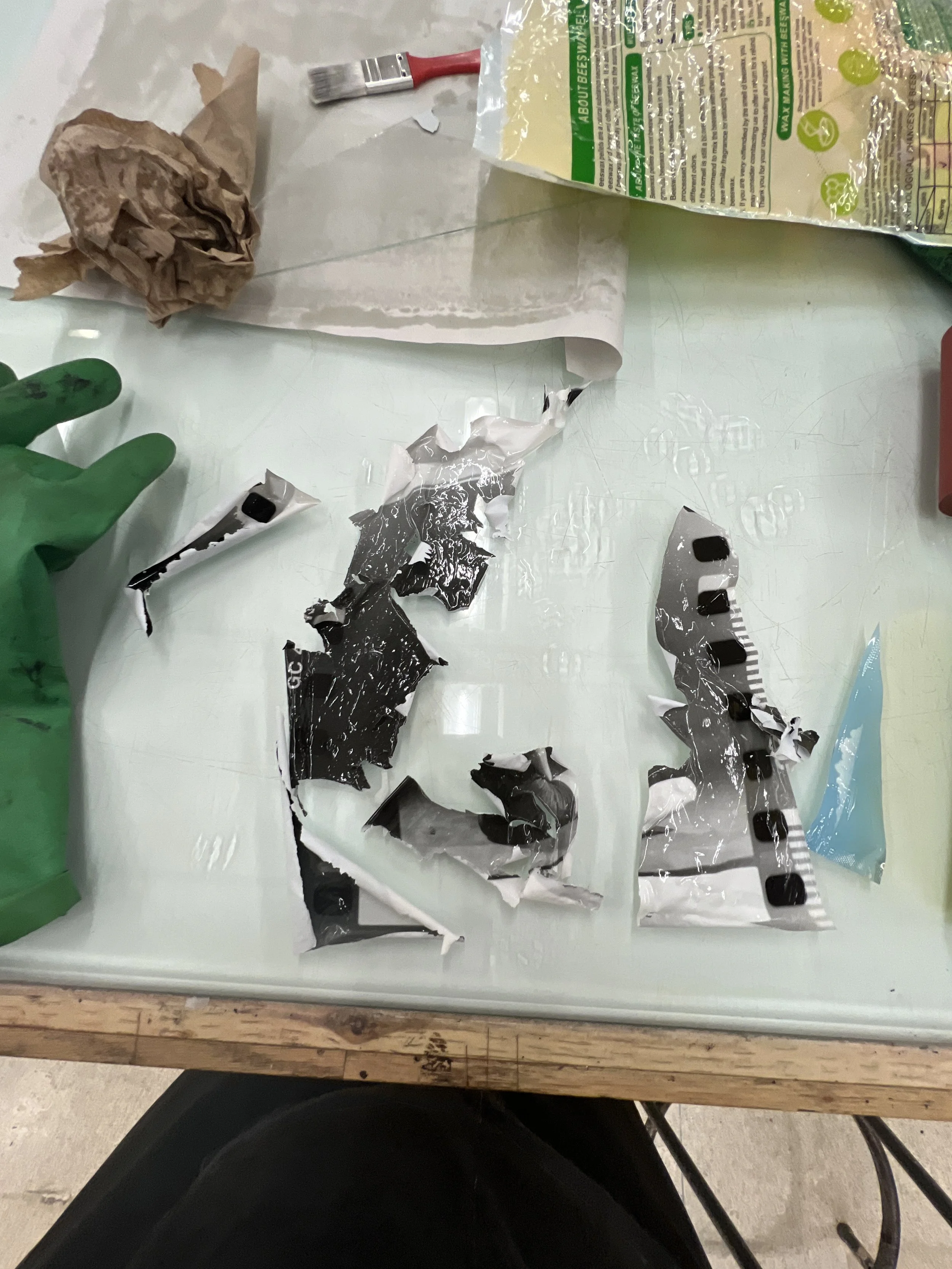
Printmaking demands precision, but it also requires accepting what materials are willing to do. Some of the most important lessons came from failed transfers, broken stencils, and images that refused to behave as expected
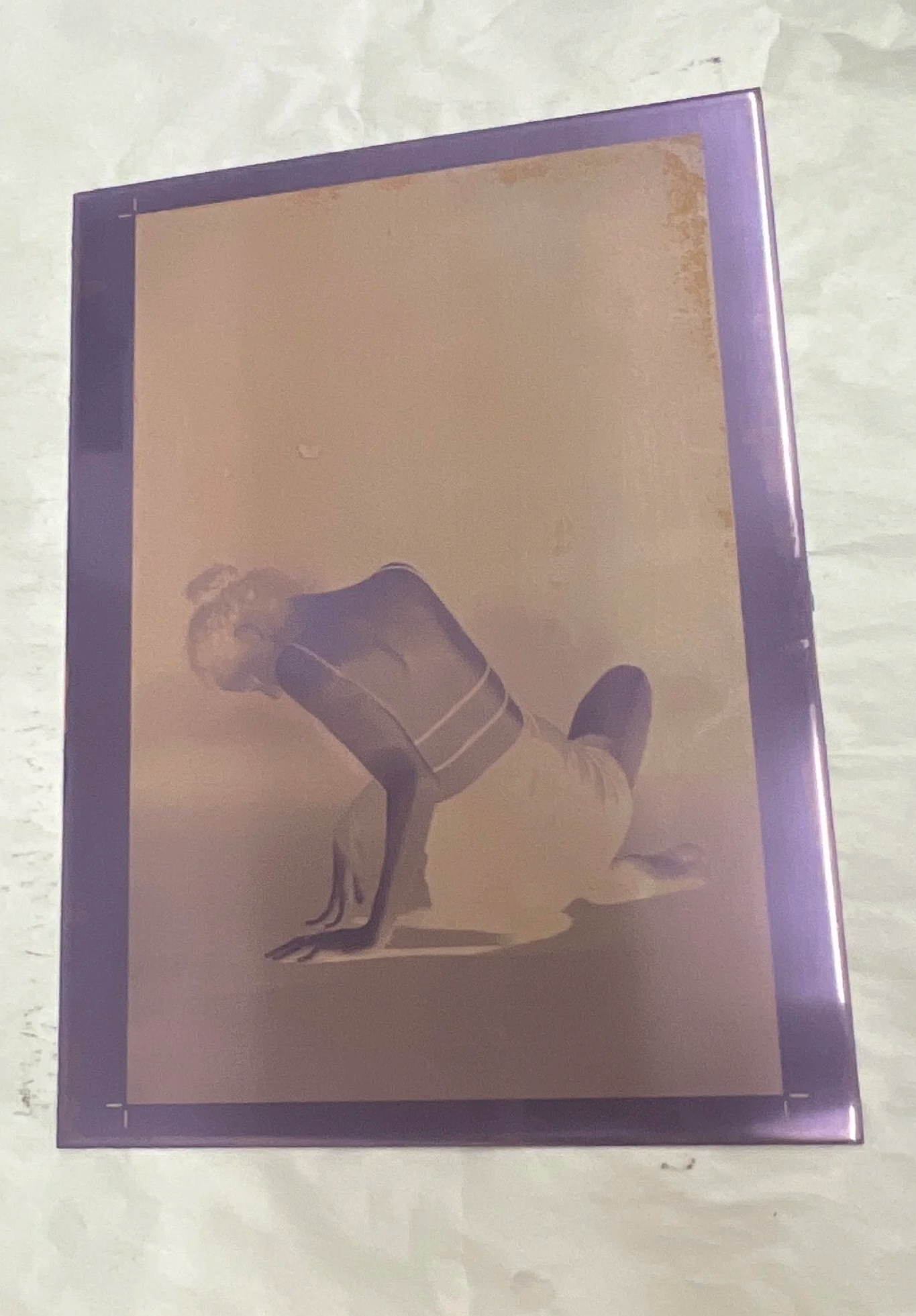
At this point, the issue with my analog stencil was that it was not as transparent as film. Lithographic plates responded quickly but struggled to resolve extremely fine halftones. Intaglio plates held the image differently, often producing exposures too faint to survive processing.
Some prints tore while removing their paper backing. Plates exposed unevenly. Fine halftones disappeared entirely. Rather than isolated mistakes, these failures revealed the limitations of each material in the chain between photograph and print.
The next stage of the project, I will move on to analog stencils produced using medium and large format film and the halftone screens.
Exhibition
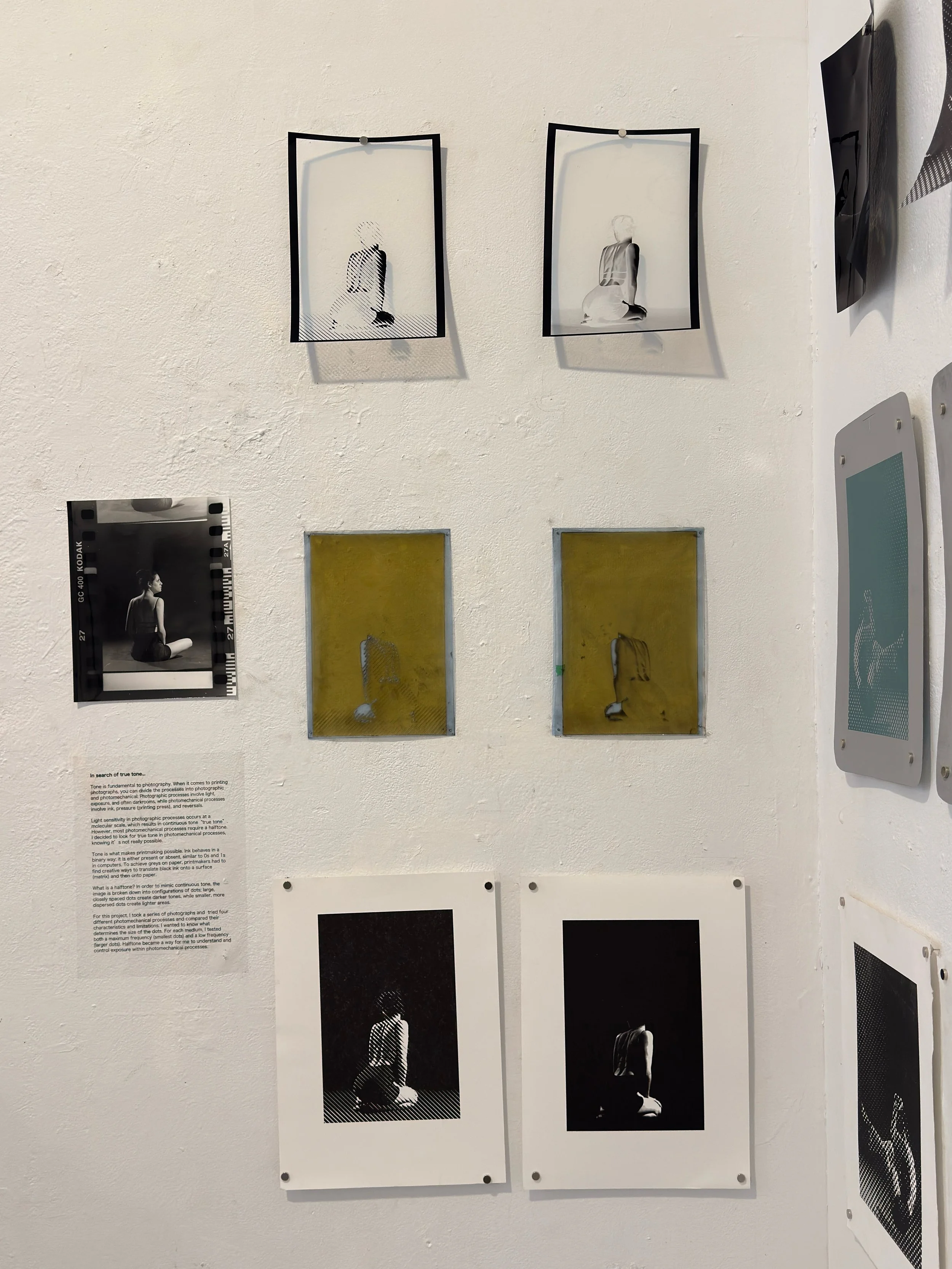
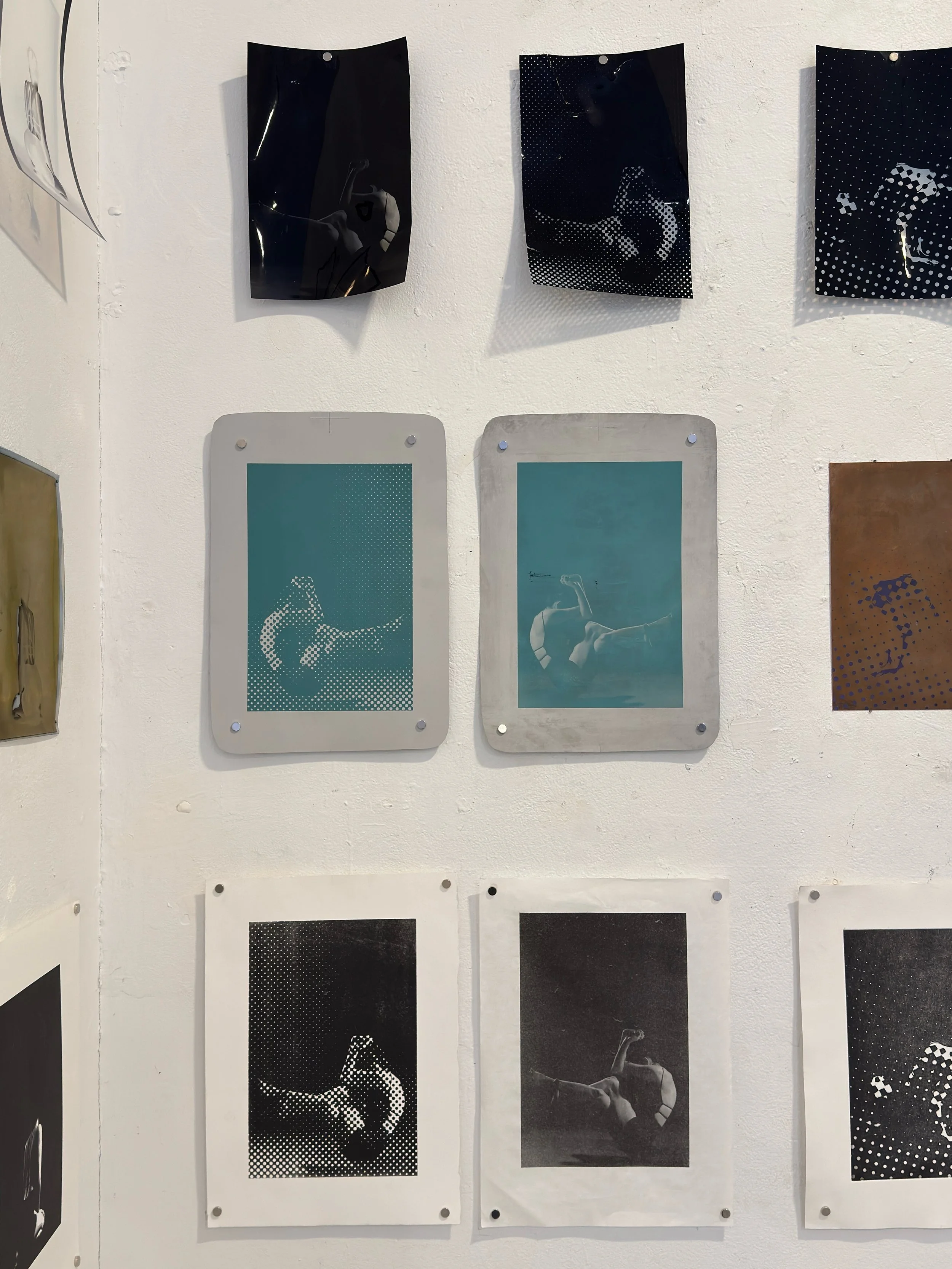
Exhibited at Gallery 1313 in Toronto, the installation brought together stencils, plates, and prints as equal parts of the photographic process. Rather than presenting only finished prints, the work exposed the systems and translations that make those images possible.
Many of the abstract images rely on low-frequency halftones. Viewers often found themselves stepping back or squinting to see them clearly, a gesture that mirrors the same optical principle that allows halftones to function. The image is not fully contained in the print, but completed through perception.